Expanding a business from a single operational hub to a second commercial facility represents one of the most critical inflection points in an enterprise’s growth trajectory. Unlocking a second location is often proof that your core business model works, that market demand is outstripping your original capacity, and that long-term enterprise value is within reach. However, scaling a physical footprint introduces a level of operational complexity that catches even seasoned business owners off guard. Operating across multiple locations splits management bandwidth, dilutes direct daily oversight, and exposes every flaw in your supply chain and communications infrastructure.
When you manage a single site, institutional knowledge and informal workarounds can often mask operational inefficiencies. If a critical piece of machinery fails, an entry door jams, or a vendor delivery is late, key leaders are on-site to handle the fallout personally. At two locations, that hands-on management approach quickly breaks down. Transitioning into a multi-site enterprise requires shifting from reactive problem-solving to standardized operational playbooks. Every system—from lease negotiations and physical security to backup utilities and regional marketing—must be structured for independent reliability. This comprehensive guide details the essential operational steps required to launch your second commercial facility smoothly, mitigate downtime, and set your expanding business up for long-term multi-location success.
Aligning Financial Strategy and Site Acquisition Compliance

The journey to opening a second facility begins long before any ribbon is cut or machinery is installed. It starts with establishing absolute financial clarity and ensuring that your lease agreements protect your enterprise’s long-term operational needs. Expanding your footprint will place an unprecedented strain on working capital, meaning your capital expenditure budgets and operating cash reserves must be rigorously modeled against worst-case delay scenarios.
Before signing a lease or placing an earnest deposit on a building, work alongside experienced financial planners to run detailed cash-flow stress tests. These evaluations should model how your primary facility will support the business during the initial build-out phase, factoring in delayed revenue milestones, unexpected tenant improvement overruns, and initial staffing ramp-up costs. Establishing realistic financial buffers ensures that unexpected expenses at your second location do not starve your primary revenue driver of vital operating capital.
Simultaneously, navigating the acquisition of commercial property requires rigorous legal review to prevent restrictive covenants from throttling your future operations. It is crucial to engage professionals specializing in commercial real estate law to review all leasing, purchase, and zoning documentation. A specialized legal advisor ensures that tenant improvement allowances, sublease rights, environmental indemnifications, and municipal code compliance are explicitly structured in your favor. They will also verify that local zoning codes permit every aspect of your planned business activity, including delivery schedules, outdoor storage, hazardous materials handling, and specialized machinery operation. Skimping on legal and financial due diligence during the site acquisition phase can lock your enterprise into a facility that is legally or financially unsustainable.
- Establish a 6-month operating cash reserve specifically dedicated to the new location to cover rent, utilities, and baseline payroll prior to full capacity.
- Audit all municipal zoning laws and building permits to confirm that your specific business operations face no local activity restrictions.
- Negotiate detailed tenant improvement terms to secure maximum landlord contribution toward essential property build-outs.
- Establish clear lease termination and sublease clauses to maintain strategic flexibility should market conditions shift unexpectedly.
Hardening Facility Security and Access Infrastructure
Once property contracts are finalized, your immediate operational priority must shift toward physical security and access management. Securing a second facility requires a balance between strict access control and efficient daily operations. Unlike your primary location, where staff may be accustomed to informal entry protocols, a multi-site footprint requires standardized hardware and automated security tracking to prevent inventory shrinkage, unauthorized entry, and structural liability.
The physical perimeter is your first line of defense. High-use points of entry, such as primary employee entrances, loading docks, and warehouse receiving bays, require industrial-grade installations. Installing a heavy-duty commercial door at high-traffic entry points ensures that your building remains secure while enduring the severe wear and tear associated with daily freight and staff movement. In addition to durability, entryways must be integrated with commercial-grade panic hardware, heavy-duty closers, and weather-sealing to comply with local fire codes and energy efficiency standards.
Beyond the main entry, internal access control must be systematically configured across all secondary points of ingress and egress. Outfitting all internal and external doors with keycards, keypad readers, or biometric locks allows site managers to track employee movement, restrict access to sensitive storage or server rooms, and revoke permissions remotely when necessary. Standardizing your security hardware across both your original and new facility simplifies key management, reduces training overhead for security personnel, and ensures that staff floating between locations can navigate both sites without administrative friction.
- Implement keycard or biometric access readers across all external access points to eliminate physical keys and create digital entry logs.
- Install high-grade commercial locking mechanisms on all perimeter entryways to ensure compliance with insurance policies and local building codes.
- Set up a centralized video surveillance network that can be monitored remotely by corporate security or facility managers.
- Schedule quarterly audits of physical entry points to check alignment, lock functionality, and overall frame integrity.
Mitigating Downtime with Critical Power Infrastructure
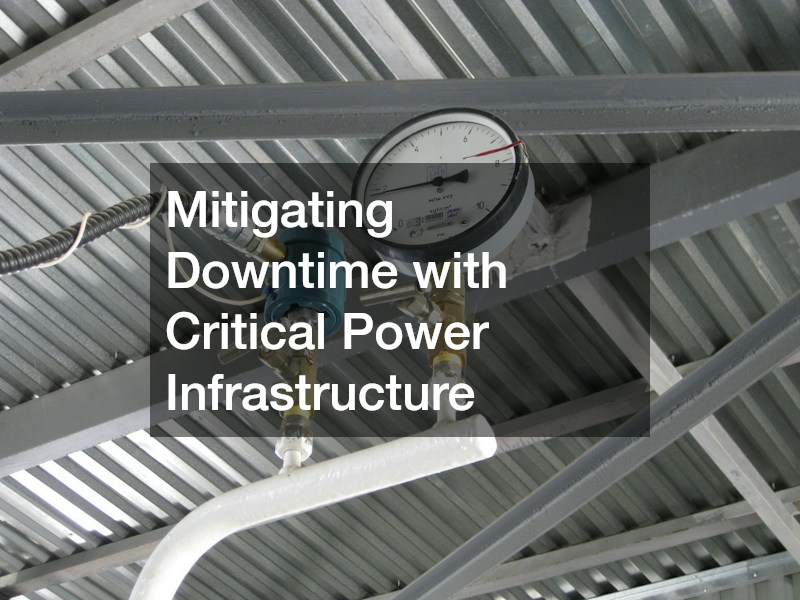
Operational continuity depends entirely on continuous, uninterrupted power. A power outage at your second facility can bring production lines to a standstill, disrupt server synchronization with your primary location, and cause severe financial loss in damaged goods or missed delivery windows. Building resilience into your new facility means preparing for utility failures before you launch daily operations.
For industrial, technical, or logistics facilities, auxiliary backup power is not a luxury—it is a baseline requirement. Integrating emergency utility systems ensures that critical operations remain functional during local power outages. Once backup systems are installed, engaging a specialized vendor for regular commercial generator maintenance becomes a critical operational safeguard. Routine servicing ensures that transfer switches function instantly during grid failures, fuel lines remain clear, and battery starters operate reliably. Without a disciplined maintenance schedule, backup power systems often fail at the exact moment they are needed most.
In addition to installing and servicing backup generators, facility managers must create step-by-step emergency power runbooks. These documents should clearly outline which systems receive prioritized emergency power—such as refrigeration units, security systems, and primary network servers—and which non-essential systems should be shed during extended grid failures.
- Calculate the exact electrical load required to run mission-critical equipment during a blackout before choosing a generator size.
- Schedule monthly automated generator test runs alongside formal quarterly inspections by qualified technicians.
- Establish fuel delivery contracts with local suppliers to ensure guaranteed replenishment during widespread municipal power outages.
- Train on-site facility personnel on manual transfer switch operation and basic system resets.
Managing Logistics and Site Transition Strategy
Moving equipment, inventory, and office infrastructure into a new facility requires careful logistical orchestration. A poorly managed transition can result in damaged assets, misplaced inventory, and extended downtime that frustrates customers and overburdens staff. Successfully executing a site transition requires separating heavy logistics management from minor on-site assembly and physical facility adjustments.
To execute a major physical move, partner with a professional corporate relocation company that specializes in commercial facility transitions. Professional movers bring specialized equipment, industrial rigging capabilities, and insurance coverage necessary to transport heavy machinery, sensitive server racks, and bulk inventory safely. Coordinating a phased relocation schedule—where non-essential items are moved first, followed by primary operations during off-peak hours—minimizes the impact on active customer orders and daily business operations.
While professional movers handle the macro-logistics of heavy transport, the micro-logistics of on-site preparation require a different skill set. Hiring a qualified handyman or facilities technician prior to move-in day allows you to address immediate build-out needs. These tasks include mounting fire extinguishers, repairing drywall, assembling workbenches, hanging safety signage, and fixing minor physical defects throughout the building. Having a dedicated person handling these practical setup tasks frees up your core management team to focus on high-level operational readiness and system integration.
- Develop a phased equipment transition timeline that ensures your primary site remains fully operational while the second site is fitted out.
- Conduct a complete asset inventory audit before packing, tagging every item with its designated zone in the new building.
- Assign an on-site facilities point person to oversee immediate physical adjustments, hardware installations, and minor repairs during the move.
- Verify that all commercial transport vendors carry adequate liability and transit insurance to cover potential asset loss or damage.
Launching Grand Opening Marketing and Regional Signage

Once the facility is physically secured, powered, and outfitted, attention must turn to establishing your presence within the new market. A second location represents a major milestone that should be leveraged to build local brand awareness, attract new regional clients, and signal growth to industry partners. A successful site launch relies on clear visual communications both on-site and across regional market channels.
Exterior visual impact is essential for drawing attention to your new physical site, particularly if the facility includes retail, showroom, or client-facing operations. Utilizing professional banner services allows you to produce temporary, weather-resistant grand opening signs, directional banners, and promotional displays that capture attention from nearby roadways and industrial parks. High-quality outdoor banners create immediate local visibility during the construction and launch phases, guiding vendors, delivery drivers, and customers to the correct entrances before permanent building signage is fully installed.
In parallel with outdoor marketing, internal operational communications require high-volume print production. Partnering with a reliable commercial printing provider ensures you have all necessary physical materials ready for launch day. This includes employee safety manuals, standard operating procedure (SOP) posters, branded wayfinding signs, product catalogs, and marketing brochures. Having standardized printed collateral ready on day one ensures that brand representation remains consistent between your original location and your new site, reinforcing a professional image to both new hires and visiting clients.
- Design high-contrast exterior banners to clearly signal your opening date and direct traffic to receiving or retail areas.
- Review municipal sign regulations and landlord property guidelines before hanging temporary exterior promotional displays.
- Order standardized printed materials, including safety compliance documentation, operational forms, and customer collateral, well ahead of launch.
- Coordinate grand opening promotional campaigns across local digital and print media channels to maximize regional market impact.
Integrating Specialized Manufacturing and Processing Workflows
For manufacturing, assembly, or industrial enterprises, opening a second facility often involves setting up complex production workflows that rely on third-party industrial services. Ensuring product quality across multiple locations requires strict vendor qualification processes and integrated quality-control protocols.
If your facility manufactures metallic components, structural hardware, or specialized tools, establishing reliable technical supply chains is critical. Contracting a qualified commercial heat treating service ensures that your raw metal parts or fabricated components undergo precise thermal processing to achieve required tensile strength, hardness, and durability specifications. Because thermal processing directly impacts structural integrity and compliance, partner with certified service providers who offer rigorous quality documentation and rapid turnaround times to keep your second facility’s production lines moving efficiently.
In addition to outsourcing specialized industrial processes, multi-location operational success depends on real-time visibility across your supply chain. Implementing enterprise resource planning (ERP) and inventory management software connects your second location directly to your main warehouse. Designating clear staging zones for incoming raw materials, in-process goods, and finished inventory prevents bottlenecks and ensures that both facilities operate as a cohesive, synchronized production unit.
- Establish clear quality assurance standards and certification requirements for all third-party industrial processing partners.
- Implement shared cloud-based inventory management software to monitor stock levels and material movement between locations in real time.
- Designate explicit staging areas within the new facility for incoming raw materials, quality control inspection, and outbound shipping.
- Conduct cross-site quality audits to ensure that finished goods produced at the new location meet the exact standards of your original facility.
Using This Guide for Commercial Success
Expanding into a second commercial facility is a transformative milestone that turns a single business into a resilient, multi-site enterprise. However, success is rarely determined by enthusiasm alone; it is dictated by the strength of your operational groundwork. By systematically addressing financial planning, legal compliance, perimeter security, power redundancy, transition logistics, local marketing, and specialized vendor integration, you remove the guesswork from site expansion.