Running a successful repair business today takes far more than technical skill. Shop owners are dealing with rising labor costs, increased competition, changing customer expectations, and tighter profit margins than ever before. At the same time, customers expect faster turnaround times, premium communication, and a one-stop experience that solves multiple vehicle problems in a single visit.
The good news is that growth opportunities are everywhere for business owners willing to think strategically. The most profitable shop operators are not simply fixing vehicles — they are building scalable systems, increasing customer lifetime value, strengthening local partnerships, and creating premium experiences that customers willingly pay more for.
If you want to increase monthly revenue consistently, the key is to focus on operational efficiency, customer retention, high-margin services, and smarter marketing. This guide breaks down practical strategies that can help repair shop owners grow sustainably while improving profitability and customer satisfaction at the same time.
Diversify Income Streams To Increase Profit Margins
Many shop owners unintentionally limit growth because they depend too heavily on insurance claim work alone. Businesses that scale successfully usually build multiple revenue streams that complement one another.
An established auto collision service business can significantly increase monthly earnings by introducing additional services that customers already need. When vehicle owners can solve several problems in one location, they are more likely to spend more during each visit.
For example, a customer who comes in after an accident may also need:
- Paint correction
- Dent removal
- Headlight restoration
- Interior cleaning
- Minor cosmetic upgrades
- Mechanical inspections
The goal is to increase the average repair order rather than relying solely on increasing customer volume.
Another major opportunity involves improving how your team communicates recommendations. Customers are far more likely to approve additional work when advisors explain the long-term value clearly and professionally.
You should also regularly evaluate which services generate the highest margins. Some services may produce high sales numbers while delivering minimal profit after labor and overhead costs are considered.
Track:
- Average ticket size
- Gross profit margin
- Technician efficiency
- Customer return rate
- Revenue per repair order
The shops that scale successfully treat their operation like a business first and a repair facility second.
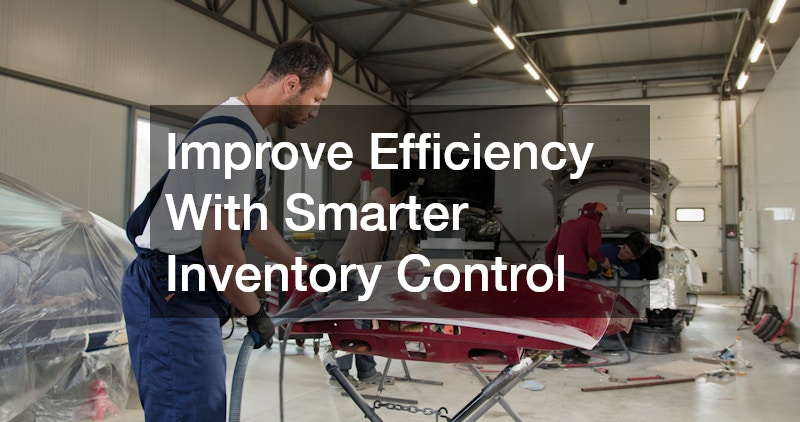
Improve Efficiency With Smarter Inventory Control
Inventory problems quietly destroy profitability for many growing businesses. Excess stock ties up cash flow, while poor organization delays repair timelines and frustrates customers.
Managing auto parts efficiently is one of the fastest ways to improve monthly revenue without increasing advertising spending.
Many successful businesses use inventory software to:
- Track usage trends
- Reduce over-ordering
- Predict demand patterns
- Monitor supplier pricing
- Prevent duplicate purchases
Reducing wasted spending can dramatically improve net profits over time.
Another important strategy involves strengthening supplier relationships. Vendors often provide:
- Volume discounts
- Faster delivery times
- Preferred pricing
- Credit terms
- Marketing support
The more reliable your supply chain becomes, the faster your turnaround times improve. Faster repairs lead to:
- Higher customer satisfaction
- Better online reviews
- More referral business
- Increased repair capacity
Some shops also improve margins by balancing OEM and aftermarket inventory strategically. Customers may prefer lower-cost options in certain situations, while others prioritize factory-certified replacements.
The key is transparency. Explain options clearly and help customers understand the value differences.
Operational efficiency also improves when technicians spend less time searching for materials. Organizing storage systems properly can reduce wasted labor hours significantly over the course of a year.
Even small operational improvements compound into substantial revenue growth over time.
Build Authority In High-End Niches
Specialization can dramatically increase profitability. Luxury vehicle owners typically spend more on maintenance and repairs, making premium niches extremely valuable for long-term growth.
Shops that offer Porsche repair services often position themselves as experts in precision, performance, and premium customer care. This specialization helps justify higher pricing while attracting customers who prioritize quality over discounts.
A skilled European car mechanic can also create strong competitive differentiation in crowded markets.
Luxury-focused businesses often benefit from:
- Higher average invoices
- Greater customer loyalty
- Stronger referral networks
- Less price sensitivity
- More recurring maintenance opportunities
Premium clients expect:
- Professional communication
- Clean waiting areas
- Detailed estimates
- Digital inspections
- Faster updates
- Exceptional customer service
Investing in certifications and advanced training also builds trust quickly. Customers searching for specialized expertise often choose businesses that demonstrate credibility clearly online.
To strengthen authority further:
- Publish educational blog content
- Share repair case studies
- Highlight certifications
- Showcase before-and-after photos
- Collect detailed customer reviews
Marketing luxury expertise effectively allows businesses to move away from competing solely on price.

Create Strategic Referral Partnerships
One of the most overlooked growth strategies is building local referral relationships. Many businesses focus entirely on advertising while ignoring partnership opportunities already available in their community.
Working with companies that provide car towing services can generate a steady flow of accident-related referrals. Tow truck operators are often among the first professionals customers encounter after a collision.
Strong relationships with local providers can help your business become the preferred recommendation during stressful situations.
Similarly, partnerships with tire shops create opportunities for mutual referrals.
For example:
- Alignment issues may lead customers to your facility
- Collision-related suspension problems may require tire replacement
- Shared customers benefit both businesses
The key is building partnerships that create value for both sides.
Effective referral partnerships often include:
- Cross-promotional marketing
- Shared customer discounts
- Referral incentives
- Joint social media campaigns
- Community sponsorships
Networking locally also strengthens brand visibility significantly.
Business owners should regularly connect with:
- Insurance agents
- Fleet managers
- Rental car companies
- Dealerships
- Roadside assistance providers
These relationships can become consistent revenue channels over time.
Another powerful tactic involves tracking referral sources carefully. Understanding where your best customers originate helps you invest more strategically in the relationships that drive actual revenue.
Increase Customer Retention With Preventive Services
Many businesses focus heavily on acquiring new customers while neglecting the value of retaining existing ones. Yet repeat customers are usually more profitable and easier to convert.
After completing a repair, shops should proactively recommend preventative maintenance services that protect the customer’s vehicle long-term.
Services like brake repairs help create ongoing relationships rather than one-time transactions.
Similarly, wheel alignment services are highly valuable because alignment issues commonly appear after accidents or suspension damage.
Retention-focused businesses often use:
- Service reminders
- Follow-up inspections
- Loyalty programs
- Seasonal maintenance campaigns
- Educational email marketing
These systems encourage customers to return before major problems develop.
Customers also appreciate businesses that educate them honestly rather than using pressure tactics.
For example:
- Explain tire wear patterns
- Show alignment measurements
- Discuss safety concerns clearly
- Provide maintenance timelines
Transparency builds trust, and trust drives repeat revenue.
Businesses should also create bundled service packages whenever possible. Packaging multiple services together increases convenience while improving average invoice values.
Examples include:
- Safety inspection packages
- Seasonal maintenance bundles
- Post-repair inspection programs
Another overlooked opportunity involves follow-up communication. A simple check-in message after a repair can strengthen customer relationships significantly.
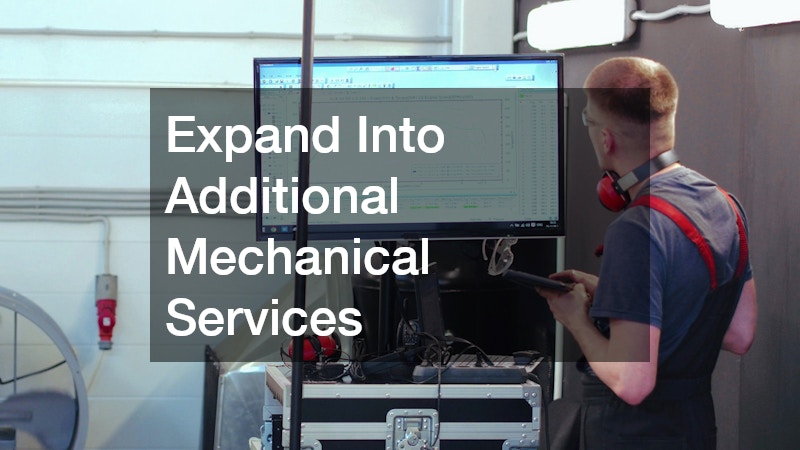
Expand Into Additional Mechanical Services
Adding complementary repair capabilities is one of the fastest ways to increase revenue per customer. Many businesses lose potential income because they outsource work they could eventually handle internally.
Offering transmission services allows businesses to capture more repair opportunities while increasing customer convenience.
Customers strongly prefer businesses that can solve multiple problems during one visit rather than requiring referrals elsewhere.
Adding brake repairs can also create recurring maintenance revenue beyond collision-related work.
Before expanding services, business owners should evaluate:
- Market demand
- Equipment costs
- Staffing needs
- Training requirements
- Profit margins
Not every expansion opportunity makes financial sense immediately.
However, strategic additions can dramatically improve customer lifetime value.
Successful expansion often begins gradually:
- Add diagnostic capabilities first
- Train existing technicians
- Invest in specialized tools
- Promote new services slowly
- Track profitability carefully
Another important consideration is workflow management. Expanding services without improving scheduling systems can create operational bottlenecks.
Businesses should regularly evaluate:
- Technician productivity
- Bay utilization
- Repair cycle times
- Parts delays
- Appointment availability
Operational efficiency becomes even more critical as services expand.
Add Premium Finishing And Appearance Services
Vehicle owners increasingly value convenience and presentation. Businesses that provide premium finishing services can significantly increase profitability while improving customer satisfaction.
Offering car detailing services after repairs creates an additional high-margin revenue stream with relatively low startup costs.
Customers appreciate receiving their vehicle back in exceptional condition after stressful repair experiences.
Detailing upgrades may include:
- Paint correction
- Interior deep cleaning
- Ceramic coatings
- Odor removal
- Engine bay cleaning
- Upholstery protection
Many customers willingly pay extra for appearance-focused upgrades when recommendations are positioned correctly.
Timing matters significantly. Customers are often most receptive to upgrades when their vehicle is already in the shop.
Businesses can also create tiered service packages:
- Basic refresh package
- Premium restoration package
- Luxury protection package
Package pricing simplifies decision-making while increasing average invoice totals.
Presentation also affects customer perception heavily. A spotless vehicle delivery experience creates a stronger emotional impact than most owners realize.
Professional detailing contributes to:
- Better reviews
- More referrals
- Increased customer satisfaction
- Higher perceived value
Shops should also train advisors to recommend upgrades naturally rather than aggressively.

Invest In Smarter Local Marketing
Many businesses rely too heavily on word-of-mouth marketing alone. While referrals are valuable, predictable growth usually requires a stronger digital presence.
Local SEO remains one of the highest-return marketing investments for repair businesses.
Companies offering car towing services often dominate emergency-related searches because they focus heavily on local visibility.
Strong local marketing includes:
- Optimized Google Business Profiles
- Service-specific landing pages
- Consistent review generation
- Location-based keywords
- Mobile-friendly websites
Businesses offering transmission services should also create educational content that answers common customer questions.
Helpful content improves:
- Search rankings
- Customer trust
- Website traffic
- Conversion rates
Examples include blog topics such as:
- Warning signs of mechanical problems
- Maintenance checklists
- Seasonal driving tips
- Insurance claim guidance
Online reviews also influence purchasing decisions heavily.
Encourage satisfied customers to leave detailed reviews discussing:
- Communication quality
- Repair speed
- Customer service
- Overall experience
Paid advertising can also be highly effective when targeted properly.
Focus ad spending on:
- Emergency-related searches
- High-value services
- Local geographic areas
- Mobile users
Businesses should track marketing performance carefully rather than relying on assumptions.
Improve Upselling Without Damaging Trust
Many businesses avoid upselling because they fear appearing pushy. However, ethical upselling simply involves helping customers understand additional solutions that improve safety, performance, or convenience.
For example, wheel alignment services often become necessary after suspension-related repairs. Customers may not realize the importance unless advisors explain the long-term consequences clearly.
Similarly, car detailing services can help restore vehicle appearance and improve customer satisfaction after repairs.
The key is recommending services based on genuine need rather than maximizing short-term sales.
Effective upselling strategies include:
- Visual inspection reports
- Before-and-after photos
- Transparent explanations
- Prioritized recommendations
- Educational communication
Customers respond far better when they feel informed rather than pressured.
Businesses should also train advisors to:
- Listen carefully
- Explain the benefits clearly
- Focus on customer goals
- Avoid technical overload
- Provide honest timelines
Trust is one of the most valuable business assets in the automotive industry.
Shops that prioritize long-term relationships consistently outperform businesses focused only on immediate revenue.
Bundling complementary services can also improve upsell success rates.
For example:
- Alignment and suspension packages
- Interior restoration bundles
- Preventative maintenance plans
Convenience plays a major role in customer decision-making.
Build A Business That Scales Beyond The Owner
Many businesses struggle to grow because the owner remains involved in every decision. Sustainable scaling requires systems, delegation, and leadership development.
A skilled European car mechanic may excel technically but still struggle operationally without strong management systems in place.
Long-term growth depends on building teams that can operate efficiently without constant owner supervision.
Key leadership priorities include:
- Hiring strategically
- Training consistently
- Documenting procedures
- Delegating responsibilities
- Tracking accountability
Businesses should also create clear career growth opportunities for employees.
High-performing technicians often stay longer when businesses provide:
- Certification support
- Performance incentives
- Leadership opportunities
- Ongoing education
Strong culture improves retention significantly.
Business owners should also focus heavily on process documentation. Standard operating procedures reduce inconsistency while making onboarding easier.
Scalable businesses rely on systems rather than individual heroics.
Financial tracking also becomes increasingly important as operations expand.
Monitoring auto parts profitability carefully helps owners understand where margins improve or decline over time.
The most successful operators review:
- Labor margins
- Revenue trends
- Marketing ROI
- Technician productivity
- Customer retention metrics
Scaling successfully requires balancing operational efficiency with customer experience.
Creating Long-Term Growth Through Smarter Business Systems
Increasing monthly revenue requires far more than simply attracting more customers. Sustainable growth comes from improving operational efficiency, increasing customer retention, expanding service offerings, strengthening partnerships, and building systems that support long-term scalability.
The most successful business owners consistently focus on delivering exceptional customer experiences while making strategic decisions that improve profitability over time. Small operational improvements, stronger communication, smarter marketing, and higher-value services can collectively create substantial revenue growth year after year.
Business growth rarely happens overnight, but consistent execution compounds quickly. Owners who invest in systems, leadership, and customer relationships today position themselves to build stronger, more profitable companies for the future.