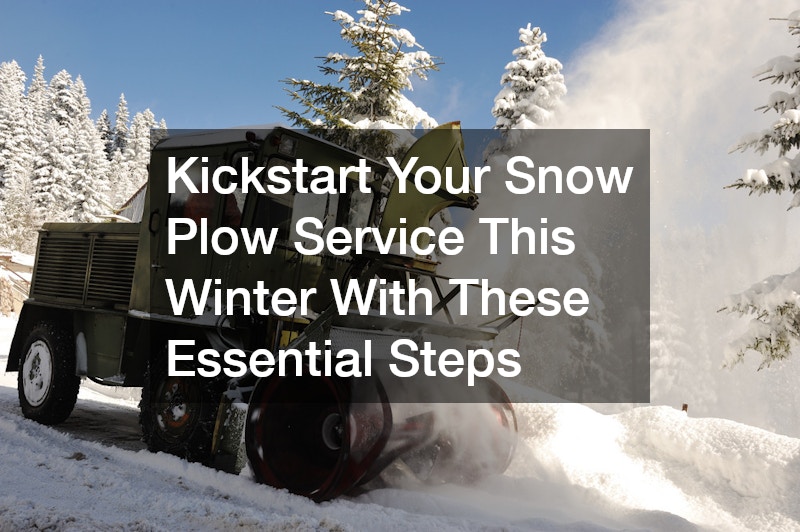
Starting a snowplow service is not simply about owning the right equipment or being available when snow begins to fall. It is a business that operates in high-pressure conditions where timing, reliability, and preparation determine success or failure. Customers rely on snow removal providers to maintain safety, access, and continuity during severe winter weather, often at inconvenient hours and under difficult conditions. A single missed response can create safety risks, disrupt operations, and damage long-term trust, making professionalism essential from the very beginning.
Unlike many service businesses that can adapt gradually, snowplow operations must perform at full capacity from the first major storm. This requires careful planning well before winter arrives, including route organization, staffing readiness, vehicle reliability, and financial preparedness. The seasonal nature of the work adds complexity, as revenue must be balanced against expenses during both peak demand and slower periods. Without a clear strategy, even skilled operators can struggle to manage costs and maintain consistency.
A successful snowplow service is built on systems rather than improvisation. Clear processes for decision-making, maintenance, communication, and customer management allow operators to respond efficiently when conditions change rapidly. When preparation is prioritized, businesses can shift their focus from reacting to problems to delivering dependable service. By approaching snow removal as a structured, long-term operation rather than a short-term opportunity, operators create the foundation for stability, growth, and lasting success season after season.
Define Your Service Area and Snow Response Strategy

Establishing a clear service area allows snowplow operators to manage time, fuel costs, and response expectations effectively. A tightly defined territory ensures that crews can reach properties quickly and consistently, even during severe weather. Overextending coverage may seem profitable at first, but it often leads to missed deadlines, exhausted operators, and dissatisfied clients. A focused service area creates operational efficiency and improves reliability.
Commercial contracts often come with additional requirements, especially those associated with engineering companies that oversee safety compliance and liability management. These clients may expect precise documentation, priority scheduling, and strict adherence to performance standards. Expanding services beyond snow removal, such as land clearing, can also increase value and create additional income opportunities outside winter months. A well-defined service strategy ensures predictable operations and stronger client relationships.
Choose the Right Equipment for Reliable Winter Performance
Equipment selection directly impacts productivity, safety, and profitability. Snow removal environments vary widely, from residential driveways to expansive commercial lots, each requiring different capabilities. Choosing equipment that is too small limits efficiency, while oversized machinery increases fuel costs and wear. Matching equipment to service needs ensures consistent performance across job types.
High-quality snow plows are essential for handling varying snow depths and surface conditions. Blade configuration, mounting style, and vehicle compatibility all influence effectiveness. Equally important are durable snow plow blades, which determine how cleanly surfaces are cleared and how much strain is placed on equipment. Investing in dependable tools reduces breakdowns, improves service quality, and supports long-term operational success.
Prepare Your Vehicles Before the First Storm Hits
Winter weather places extreme demands on vehicles, making pre-season preparation critical. Cold temperatures reduce battery efficiency, thicken fluids, and increase stress on mechanical components. Without proper preparation, minor issues can escalate into major failures during peak service hours. Thorough inspections help prevent costly downtime.
Partnering with a trusted auto repair shop allows operators to address mechanical vulnerabilities before storms begin. Brake systems, suspension components, and heating systems should be inspected and serviced. A fleet maintenance service adds value by scheduling routine checks and providing emergency support when breakdowns occur. Proactive maintenance ensures vehicles remain reliable when customers need them most.
Build a Smart Financial and Pricing Structure

Financial planning determines whether a snowplow service survives beyond its first season. Expenses such as insurance, fuel, labor, and equipment repairs can quickly exceed expectations if not carefully managed. Without a clear pricing model, operators risk underestimating costs or eroding profits during heavy snowfall periods. Strategic budgeting provides stability during unpredictable seasons.
Working with experienced accountants helps operators establish sustainable pricing, manage tax obligations, and forecast cash flow. They also assist in planning for off-season expenses and equipment replacement cycles. Some businesses diversify income through partnerships with an atm leasing service, providing steady revenue outside winter operations. A strong financial structure reduces risk and supports long-term growth.
Expand Capabilities With Versatile Attachments
Expanding capabilities through attachments is one of the smartest ways to increase efficiency and revenue without dramatically increasing overhead. Rather than investing in additional vehicles, operators can use attachments to adapt existing equipment to different environments and service needs. This approach allows a snowplow business to handle a wider range of jobs, from narrow residential walkways to large commercial loading areas. Versatility becomes especially valuable during heavy snowfall when speed and adaptability determine how many properties can be serviced in a limited window.
A skid steer attachment is particularly useful for areas where full-size trucks are impractical or inefficient. Sidewalks, parking garages, tight drive lanes, and entry points often require precision rather than power. With the right attachment, operators can clear these spaces quickly while minimizing surface damage and reducing manual labor. This not only improves job quality but also lowers physical strain on crews and shortens service times per property.
Beyond winter operations, attachments also play a key role in creating year-round value. Many of the same tools used for snow removal can be repurposed for off-season services, helping to stabilize income during warmer months. Offering services such as land clearing allows businesses to keep equipment active and crews employed outside of winter. This diversification reduces reliance on seasonal revenue and improves overall financial resilience.
From an operational standpoint, attachments also simplify logistics. Transporting one versatile machine instead of multiple specialized vehicles reduces fuel costs, maintenance complexity, and storage needs. Operators can respond more flexibly to changing job requirements without returning to a central yard to swap equipment. This responsiveness is especially valuable during extended storms or emergency service calls.
Ultimately, investing in versatile attachments supports both short-term performance and long-term growth. Businesses that maximize the utility of their equipment gain a competitive edge by offering more services with fewer resources.
Secure Contracts and Manage Client Expectations
Securing well-structured contracts is one of the most important steps in building a stable and professional snowplow service. Contracts clearly define the scope of work, response times, pricing structure, and responsibilities for both parties. Without clear documentation, misunderstandings can arise quickly during severe weather events when emotions and urgency are high. A strong contract protects the business from disputes while also reassuring clients that expectations are clearly established.
When working with larger commercial clients or public-sector entities, contract requirements often become more complex. Properties overseen by engineering companies typically require strict adherence to safety protocols, detailed reporting, and compliance with local regulations. Similarly, contracts awarded by government officials— such as municipalities, school districts, or public works departments— often include formal bidding processes, performance benchmarks, insurance requirements, and penalty clauses for non-compliance. Understanding these requirements in advance is critical, as failure to meet them can result in contract termination or legal consequences.
Managing expectations begins long before the first snowfall. Snow plow operators should communicate clearly about response windows, service triggers, and limitations during extreme conditions. For government and municipal contracts, this communication may involve coordination with supervisors or department heads to align on priorities during widespread storms. Transparency builds trust and reduces friction when conditions make immediate service difficult.
Offering supplemental services, such as land clearing, can make contracts more attractive and versatile, particularly for public or commercial clients managing large properties. Including optional or seasonal add-ons allows flexibility while keeping the core agreement intact. These additions also demonstrate capability and long-term value, which can be advantageous when contracts are reviewed or renewed.
Ultimately, strong contracts and proactive expectation management create stability for both the service provider and the client. Businesses that take the time to understand contractual obligations— especially when working with government officials— position themselves as reliable, professional partners. This approach not only reduces risk but also opens the door to long-term relationships and repeat contract opportunities.
Establish Strong Branding and Local Visibility

In snow removal, visibility equals credibility. Customers want reassurance that help will arrive promptly during stressful winter conditions. Consistent branding communicates reliability and professionalism before the first job is even completed. A strong brand presence also differentiates your service in competitive markets.
A clearly displayed business sign reinforces brand recognition and builds local trust. Vehicle graphics, uniforms, and online listings further enhance visibility. Consistent branding makes your operation recognizable even during poor weather conditions. Strong local presence encourages repeat business and referrals.
Plan for Emergency Breakdowns and Downtime
Emergency breakdowns are one of the most costly risks in a snowplow operation, especially when they occur during active storms. When equipment fails at peak demand, the consequences go beyond repair costs and can include missed service windows, contract penalties, and long-term damage to customer trust. Because winter conditions are inherently harsh on vehicles and machinery, downtime should be treated as an operational certainty rather than a rare exception. Planning for these disruptions in advance allows businesses to respond quickly and limit financial losses.
A strong downtime strategy begins with identifying the most likely failure points, such as hydraulic systems, electrical components, tires, and cutting edges. Operators should maintain an inventory of essential spare parts and tools that can be swapped quickly in the field or at a nearby facility. Establishing a working relationship with a dependable auto repair shop before the season starts ensures priority service when emergencies occur. This proactive approach significantly reduces wait times compared to seeking repairs during a storm without prior arrangements.
In addition to repair support, preventive planning plays a critical role in minimizing downtime. Scheduling routine inspections through a fleet maintenance service helps identify wear and potential failures before they escalate. These services can provide consistent monitoring, documentation, and emergency response options that individual operators may struggle to manage alone. Preventive maintenance reduces the likelihood of catastrophic failures during high-demand periods.
Operational backups are another essential component of downtime planning. This may include access to secondary vehicles, rental agreements, or subcontractor partnerships that can temporarily cover routes if equipment becomes unavailable. Clear internal protocols should define how crews respond to breakdowns, who contacts clients, and how routes are reassigned. Having these procedures documented prevents confusion and delays during stressful situations.
Ultimately, planning for emergency breakdowns protects both revenue and reputation. Customers are far more forgiving of unavoidable issues when communication is clear, and service continuity is maintained. Businesses that prepare for downtime demonstrate professionalism, reliability, and resilience. By treating emergency planning as a core part of operations, snowplow services can maintain performance even when unexpected challenges arise.
Train Operators for Safety and Efficiency
Operator performance directly affects service quality, safety, and equipment longevity. Poor technique can lead to property damage, accidents, and excessive wear. Comprehensive training ensures consistency across all routes and conditions. Skilled operators improve both speed and accuracy.
Training should include proper use of snow plows, awareness of obstacles, and safe navigation techniques. Understanding blade positioning and maintenance of snow plow blades improves efficiency and reduces strain on equipment. Ongoing training reinforces best practices and adapts to new challenges. Well-trained operators are a critical asset.
Create a Long-Term Growth and Expansion Plan

A sustainable snowplow business requires a vision beyond a single winter. Growth planning allows operators to scale responsibly while maintaining service quality. Diversifying services and reinvesting profits strategically support long-term success. Businesses that plan are better equipped to weather seasonal fluctuations.
Collaborating with accountants helps evaluate expansion opportunities and manage financial risk. Supplemental income streams, such as partnerships with an atm leasing service, provide year-round stability. Strategic planning transforms seasonal work into a resilient enterprise. Long-term vision ensures continued growth and reliability.
Launching and sustaining a successful snowplow service requires far more than reacting to winter weather as it arrives. It demands foresight, organization, and a commitment to delivering dependable results under challenging conditions. Each operational choice— whether related to equipment readiness, staffing, or client communication— directly impacts performance when snowstorms place pressure on time, safety, and resources. Businesses that plan intentionally are better positioned to meet customer expectations and avoid costly disruptions.
Long-term success comes from treating snow removal as a structured operation rather than a temporary seasonal effort. Careful planning allows owners to anticipate demand, control expenses, and maintain service consistency even during heavy snowfall. When systems are in place before winter begins, operators can focus on execution instead of problem-solving under stress. This level of preparation builds confidence within the team and trust with clients.
A strong snowplow service also evolves. Evaluating performance after each season, refining processes, and reinvesting in equipment and training help businesses grow steadily and responsibly. The most resilient operators understand that winter work is unpredictable, but preparation, adaptability, and professionalism create stability regardless of conditions. By approaching the business with a long-term mindset, snow plow operators can transform seasonal challenges into reliable opportunities and establish a reputation that lasts well beyond the winter months.